
May 3, 1915:
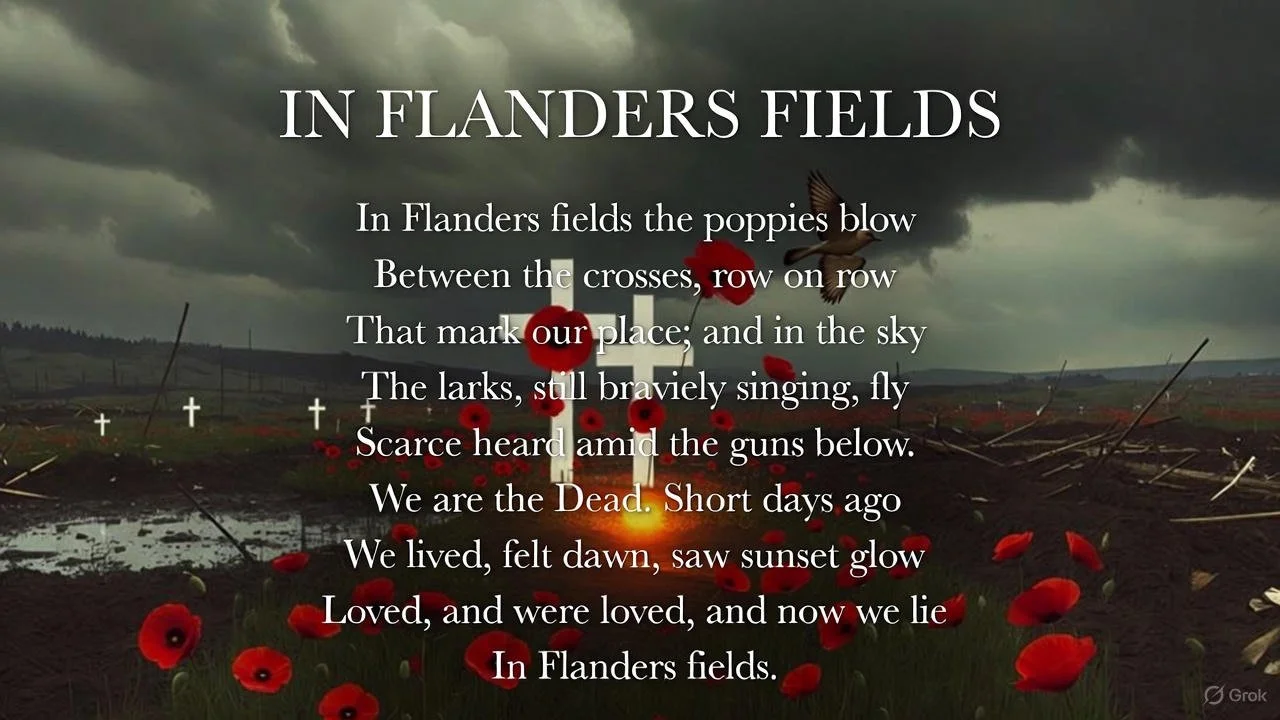
Lieutenant-Colonel John McCrae (Canadian Army physician), May 3, 1915 write “In Flanders Fields”
McCrae wrote it beside the grave of his friend Lt. Alexis Helmer, who was killed on May 2, 1915, during the Second Battle of Ypres. The sight of red poppies growing over the churned-up graves in Belgium moved him deeply. The poem was published in Punch magazine in December 1915 and instantly became the most famous English-language poem of World War I.
1920–1922: The Idea is Born in France
After World War I, French women near war cemeteries made and sold fabric poppies to raise money for war-orphaned children, inspired by the poem “In Flanders Fields.”
American visitors saw this and brought the idea home.
1922: Moina Michael and the American Legion Auxiliary
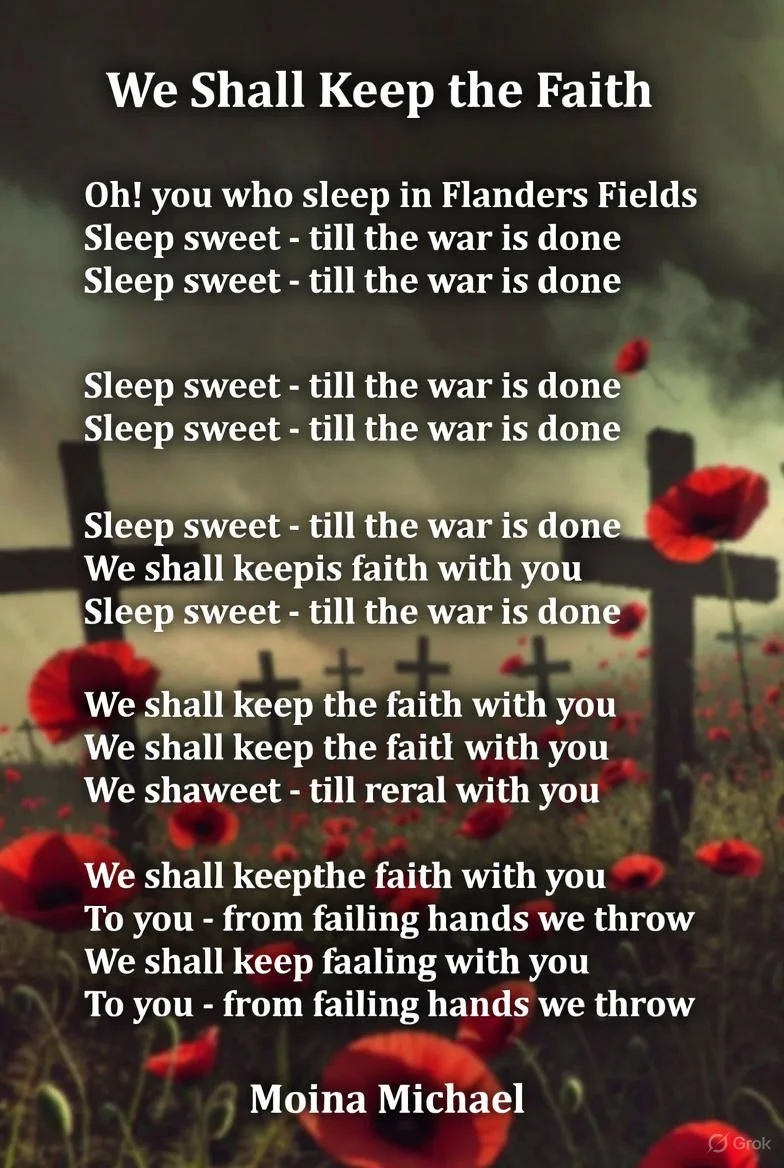
Georgia schoolteacher Moina Michael (the “Poppy Lady”) read “In Flanders Fields” and began wearing a silk poppy in memory of the war dead.
She campaigned for the poppy to become the official U.S. memorial flower.
In 1920–21, the American Legion Auxiliary adopted the poppy as its memorial flower. By 1922, the Legion itself endorsed it nationwide.
1923–1924: Veterans Make the Poppies
The Veterans of Foreign Wars (VFW) started the first large-scale U.S. program in 1923, contracting disabled veterans in hospitals to hand-make paper poppies.
In 1924, the VFW officially trademarked the name “Buddy Poppy” (“Buddy” symbolizing the comrade left on the battlefield).
The VFW guaranteed that only disabled and needy veterans would assemble the poppies and that all profits would go directly to veterans’ relief.
1926 onward: The Program Becomes Universal Among U.S. Veterans’ Groups
The American Legion adopted the Buddy Poppy program in 1926 and began distributing identical poppies made by disabled veterans.
Over the decades, virtually every major U.S. veterans’ organization joined:
Veterans of Foreign Wars (VFW)
American Legion
Disabled American Veterans (DAV)
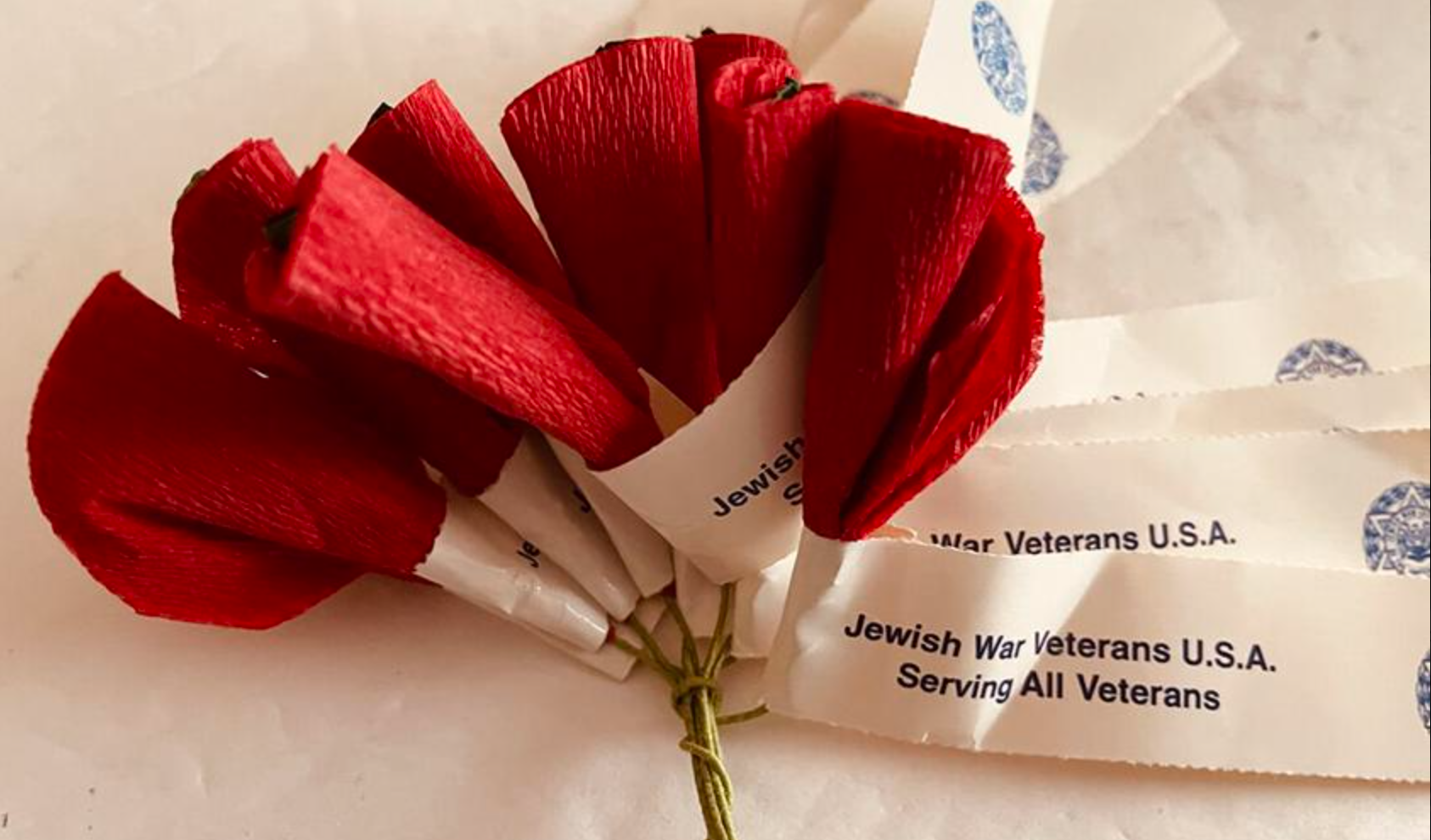
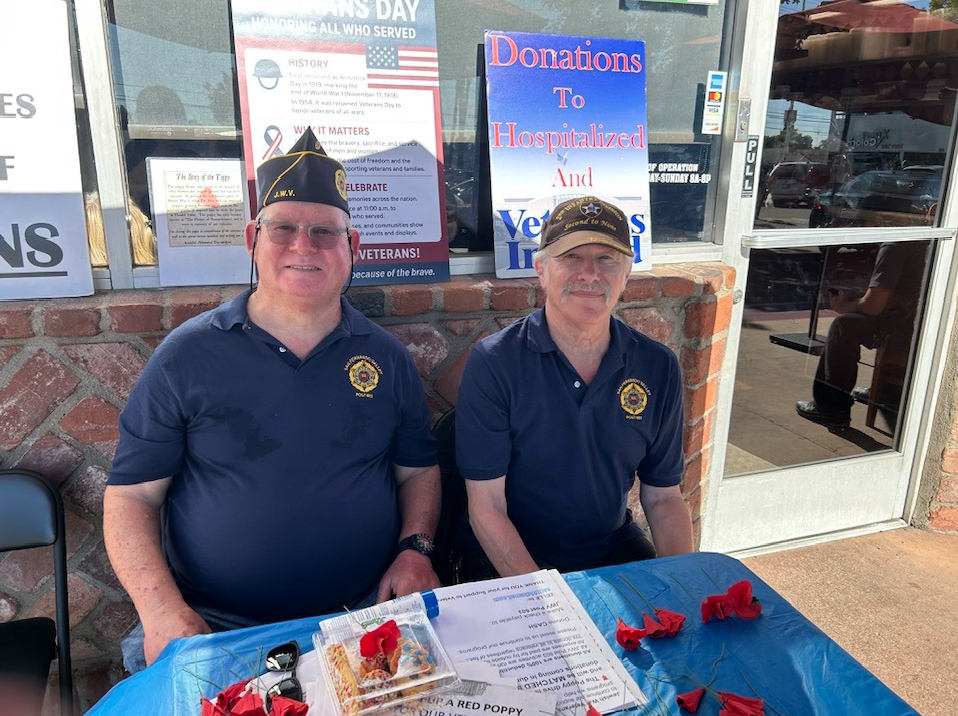
Jewish War Veterans of the USA (JWV)
AMVETS
Marine Corps League, etc.
All these groups use the exact same red crepe-paper Buddy Poppy (still handmade by disabled veterans in VA hospitals and state veterans homes under a contract administered by the VFW).
Today (2025)
More than 15 million Buddy Poppies are assembled each year by disabled and hospitalized veterans who receive payment for each poppy.
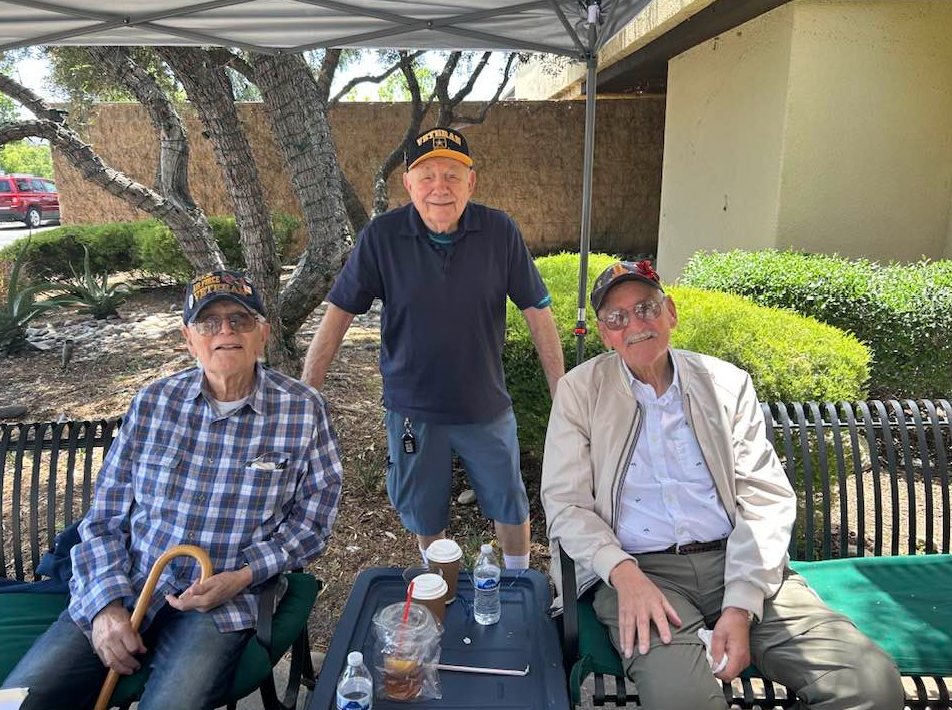
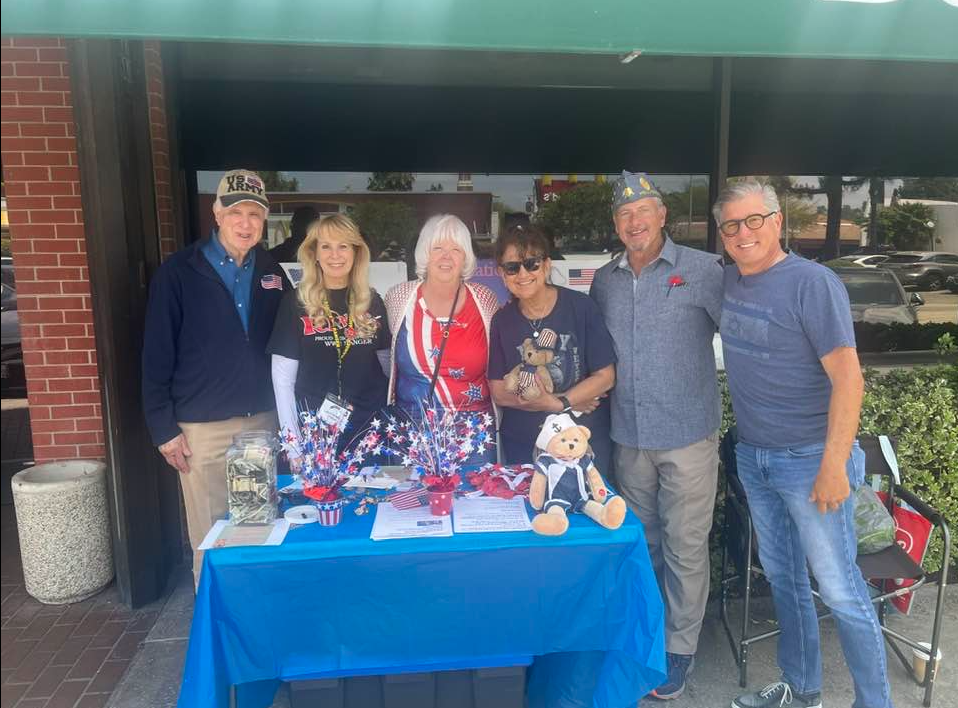
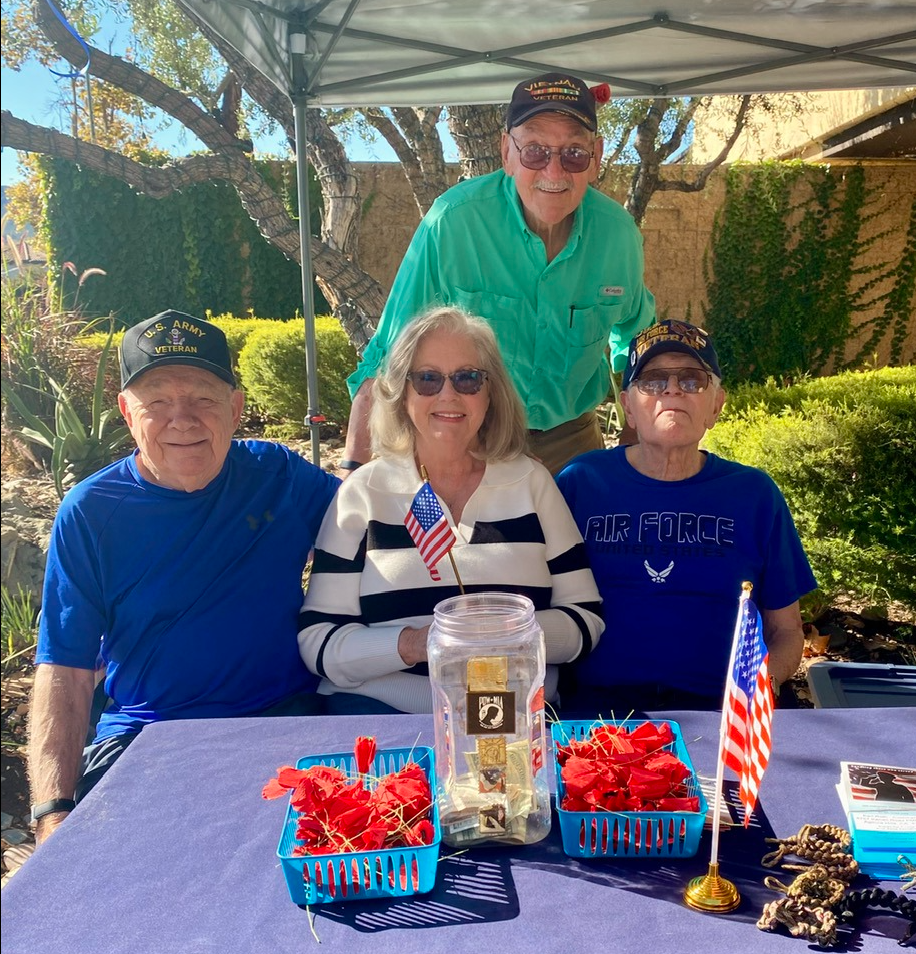
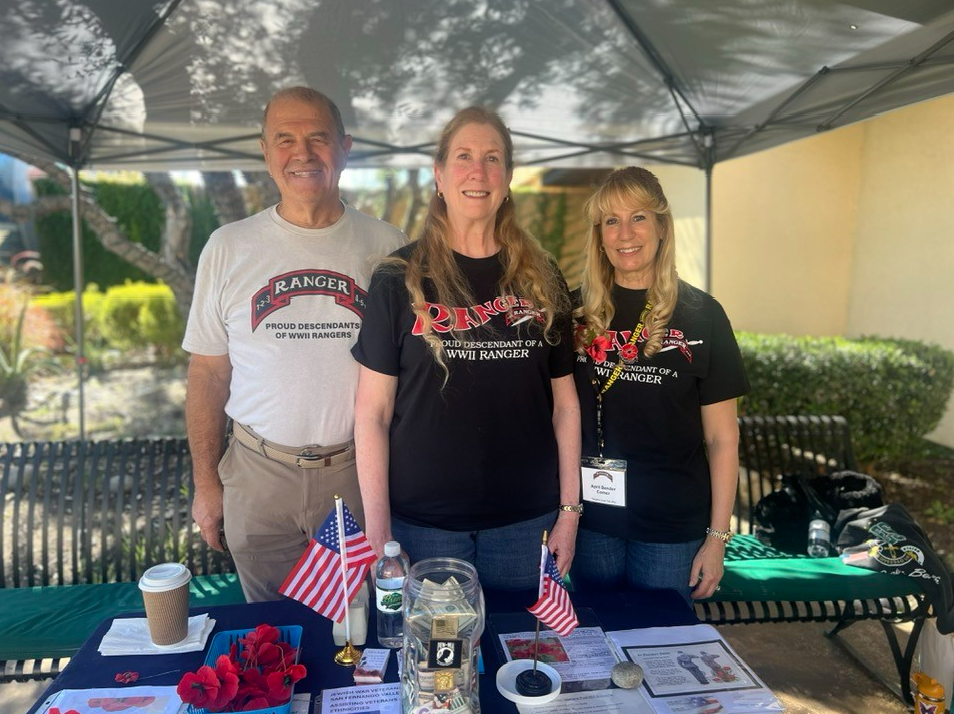
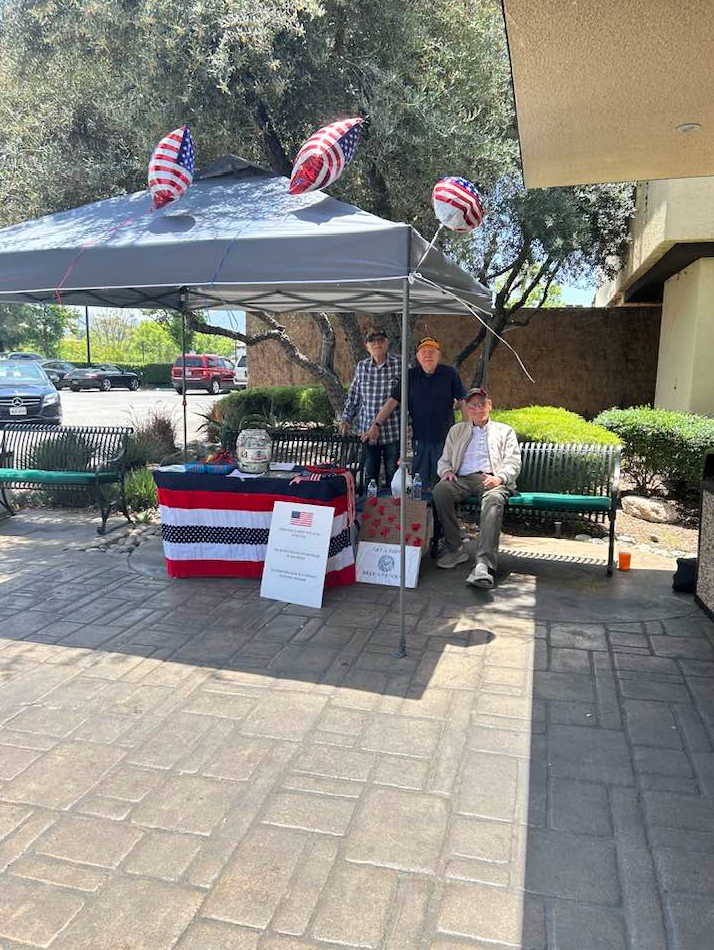
Distribution occurs mainly the weekend before Memorial Day (and sometimes Veterans Day).
100 % of donations go to veterans’ relief programs—no salaries, no overhead taken out.
In short: The Buddy Poppy program began with the VFW in the early 1920s, was quickly adopted by the American Legion and other groups (including the Jewish War Veterans), and has remained unchanged in purpose and design for a century: handmade by disabled veterans, distributed by volunteers, and worn to remember all who served and sacrificed.